Key Takeaways
- Wyoming's reputation runs to open land, energy, and agriculture, but I've watched its arts scene grow for years, and Cheyenne's downtown shows it.
- I think of arts activity as practical before it's romantic. It fills storefronts, extends evenings, and gives our hospitality economy something to build around.
- I support local arts organizations because a single committed backer can decide whether a program exists in a market this size.
- I build my support for the arts the same way I build my company: patiently, locally, and with more attention to foundations than to announcements.
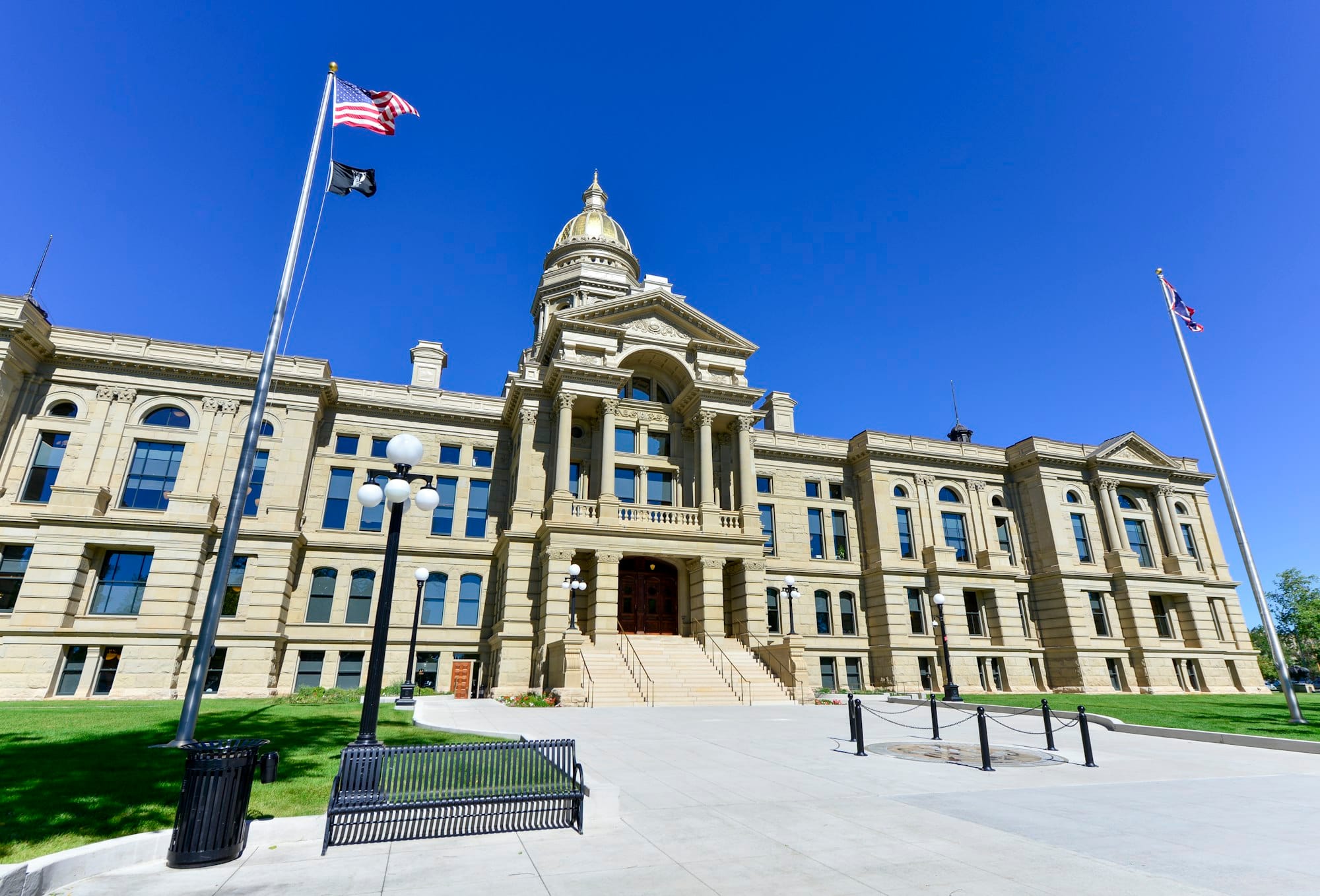
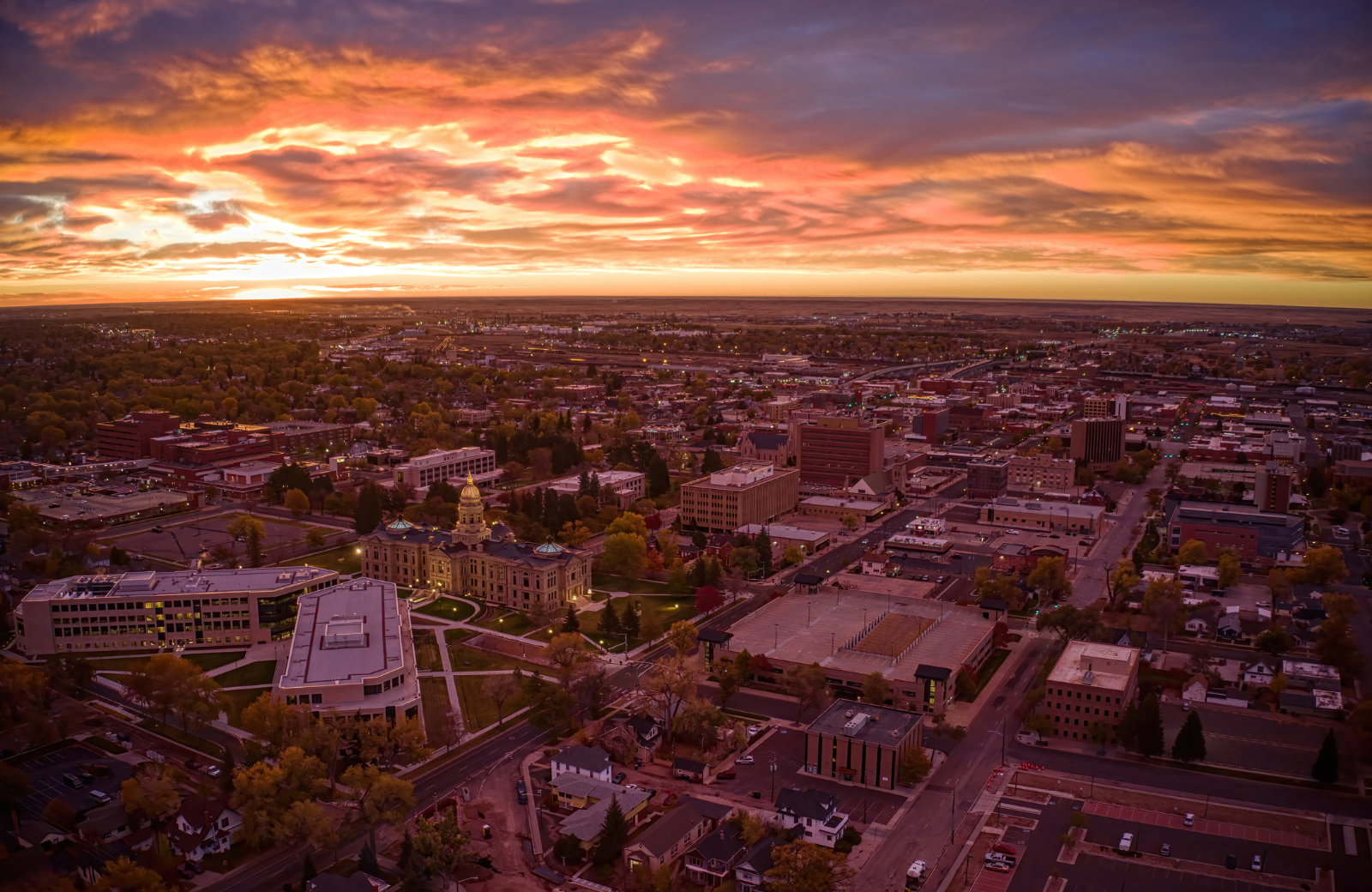
Wyoming's reputation runs to open land, energy, and agriculture, which makes it easy to miss what's been building in its galleries, theaters, and public squares. The state's arts scene is growing, and in Cheyenne, I can see it from my own downtown. Murals on brick that stood bare a decade ago. Live performances finding rooms and audiences. Local artists are selling work without leaving the state to do it.
What Does a Capital City Gain From Working Artists?
My case for the arts in a city like Cheyenne is practical before it's romantic. Arts activity fills storefronts, extends evenings downtown, and gives our hospitality economy something to build around. It also shapes who stays. Communities compete for young families and skilled workers on quality of life, and a city with galleries, music, and theater holds people; a city without them loses. For a state working to broaden its economy beyond commodities, I think of culture as infrastructure.
The economics back this up. Studies of small-market arts activity consistently find that cultural spending circulates locally, with audiences dining, parking, and shopping around every performance. A theater ticket in Cheyenne buys an evening downtown, and the businesses along the way collect the difference.
What's Taking Shape in Cheyenne Right Now?
Cheyenne's scene is assembling itself from durable pieces, civic investment in public art, community theater with deep local roots, seasonal events that put performance in front of people who might never buy a ticket, and a downtown that increasingly treats artists as tenants worth having. None of it is loud by coastal standards. All of it compounds, because each working artist and each active venue makes the next one more viable.
Growth like this also depends on audiences willing to show up before showing up is fashionable, and Cheyenne's crowds have been doing exactly that, filling community performances and turning public art unveilings into civic events. Scenes are made by attendance as much as by talent, and I've watched this city start supplying both.
Why Does a Technology Founder Watch the Arts This Closely?
I've supported local and regional arts organizations for years, and I think of them as part of the same community fabric my other giving serves. Every patron of the arts Wyoming gains matters more here than another donor would on the coasts, and my support rarely funds prestige. It goes toward working organizations, arts education, and the simple viability of creative life in a small market, where a single committed backer can mean the difference between a program existing and not. My broader commitment to the Cheyenne, Wyoming, business community treats cultural health and economic health as the same project viewed from two angles.
Do I Support the Arts the Same Way I Build a Company?
I do, and I don't think that's a coincidence. Arts scenes are built the way I build companies, patiently, locally, with more attention to foundations than to announcements. Wyoming's creative growth won't arrive as a single headline. It'll arrive as a decade of small commitments that made Cheyenne a place where artists could work, and audiences showed up. I think about my part in that the same way I think about building a company: one decision at a time, always more interested in whether the foundation holds than in whether anyone's watching this year.
What I Look For Before I Support Something
I don't fund every arts initiative that crosses my desk, and I don't think a business owner in a market this size should try to. I look for organizations that have already shown they can operate on thin margins and stay accountable to the people they serve, rather than ideas that only work if a single big check arrives. I'd rather back a community theater that's kept its lights on for a decade through lean years than a flashy one-time production, because the first tells me something true about staying power and the second mostly tells me someone is good at fundraising for a single event.
That preference runs straight through everything else I support, not just the arts. I'm drawn to the organizations and the people who were doing the work quietly before anyone was paying attention, because that's usually the surest sign they'll keep doing it after the attention moves elsewhere.
The City's Future Texture
The city's future texture is being decided right now, in ways most people won't notice until it's already changed. I'd rather be one of the people investing in it early than one of the people wondering later why the city they grew up in doesn't feel like it used to.
Questions I Get About Supporting the Arts
Why give to the arts instead of more visible causes?
Because visibility was never my metric. A committed backer often matters most exactly where the spotlight isn't already pointed, and a small arts market like Cheyenne's is one of those places.
Do you think Wyoming can really compete with bigger arts cities?
Not on scale, and I don't think it needs to. A city this size doesn't need to out-produce Denver or Chicago. It needs enough working artists and willing audiences to keep its own creative life alive, and I think we're getting there.
What would you tell another local business owner considering supporting the arts?
Start small and stay consistent. A market like ours doesn't need one big check as much as it needs a few people who show up every year, regardless of how business went that year.